
Written By: Adeniran Idris
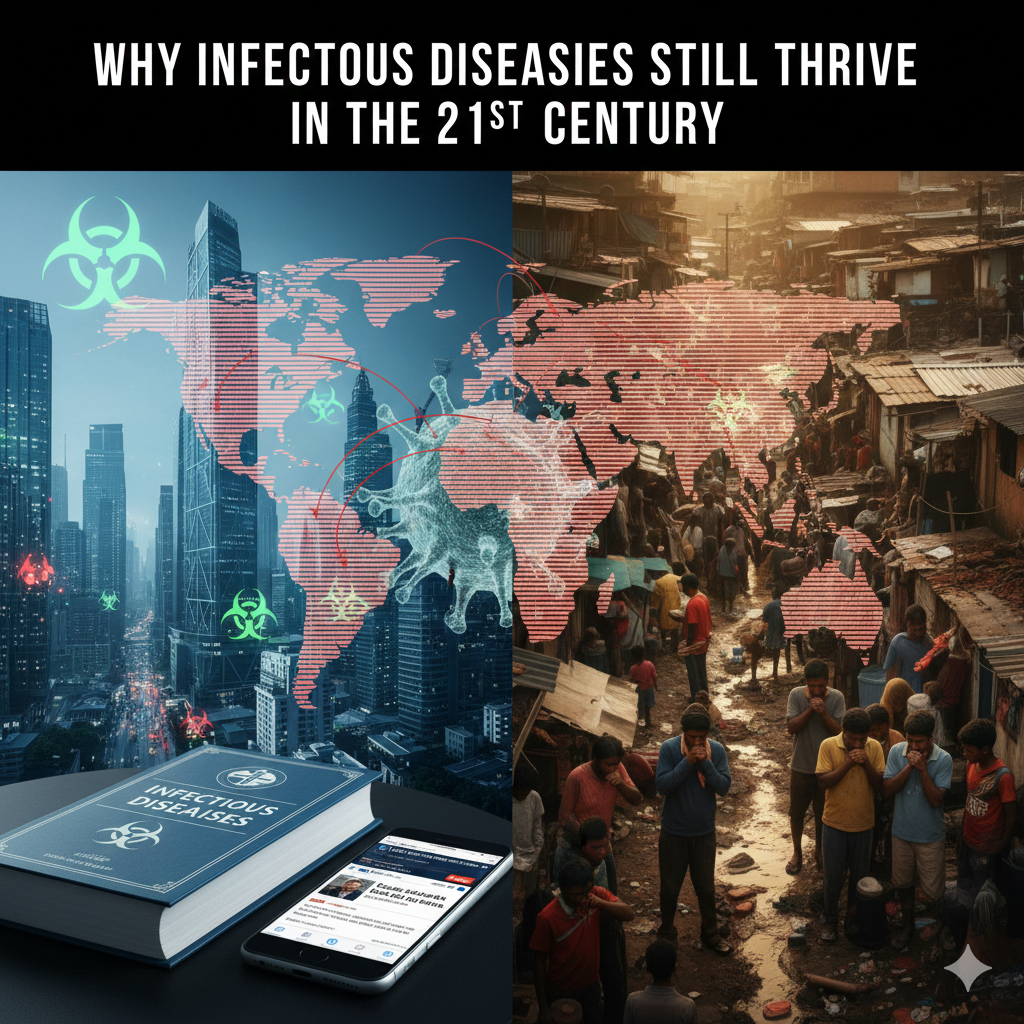
The 21st century has been defined by the most impressive developments in the fields of medicine and technology, however, it has also been defined by the constant and recurrence of infectious diseases. These diseases pose challenging threats to world population health affecting economies, societies and healthcare infrastructures across the world. Some infectious diseases spread through outbreaks and epidemics, but many spread through “silent spreaders” which has remained one of the greatest challenges in modern infectious disease control.
Silent spreaders, also known as asymptomatic transmission, refer to an individual who is infected with a disease but doesn’t show any obvious symptoms. This allows diseases to spread without being detected within schools, communities, workplaces, and also the healthcare environment and it has demonstrated to be the main driving force for many diseases such as respiratory infections, sexually transmitted diseases, foodborne illnesses, etc.
The gap between medical knowledge and the actual practice is one of the reasons why infectious diseases still thrive. There has been progress in the field of science yet health care remains uneven. In most of the low and middle-income countries, people delay visiting the hospital because of the cost, distance, and stigmatization. As a result, infections are not detected and it is not treated, which allow silent transmission to continue. Regular screening against different infections is commonly ignored even in a well-equipped environment, mostly when people are healthy.
There is also the impact of urbanization and increased human mobility which affect the spread of diseases. Rapid movement of people to an urban area, poor housing conditions favours an environment where infections can easily transmit from one person to another. International travel also enables the spread of the pathogens across the countries in an hour or days, making local infections the global issues.
Human social behaviours also add to the issue. Poor hand hygiene, intravenous drug use, inconsistent use of preventive measures, and low risk perception are some of the factors that enable infections to spread silently. Many people associate illness with visible symptoms, assuming that feeling well means being healthy. This wrong ideas of theirs makes them to abolish some preventive practices such as regular handwashing, practicing safe sexual behaviours, vaccination, and adherence to prescribed treatments.
The inappropriate and excessive use of antimicrobial agents has equally resulted in the perpetuation of infectious diseases. Such improper use of the antibiotics contributes to the antimicrobial resistance, and thus makes the infections more difficult to cure and increases the timeframe during which infected individuals can manage to infect others. Drug-resistant infections are usually silent infections that propagate in the community and health care environment without being diagnosed.
Another extremely important element is the public health surveillance systems. The surveillance is weak or under-resourced and this has caused restriction in the early identification of infectious diseases particularly those that are silently transmitted. In the absence of timely information, the outbreaks are detected late, responses are delayed. There is a need to augment disease surveillance and reporting mechanisms to detect silent spreaders before the infections escalate.
Despite these challenges, the persistence of infectious diseases is not inevitable. Prevention is among the most effective tools in public health. Vaccination, educating the population, early diagnosis, improved hygiene, and interaction with the community have been effective in minimizing the spread of diseases. Also, the provision of right information to the people will enable them to appreciate the fact that prevention of infection is not an individual burden but a communal one.
To deal with silent spreaders, it is necessary to change the mindset. The management and control of infectious diseases needs to move beyond reacting to visible outbreaks and focus more on early detection, frequent screenings, and prevention. It also involves the cooperation between healthcare professionals, policymakers, society, and individuals. The chain of transmission can be broken when everybody contributes.
Beyond this century, we must build systems that will predict, identify and disrupt silent transmission before it gains ground. Infectious diseases persist not just because solutions are absent, but because continuous gaps in behavior, lack of awareness, and as well health infrastructures which leads to spreading the disease unnoticed. We can shape a future where infectious diseases are controlled at early stages early by investing in prevention, strengthening health systems, and embracing shared responsibility.