
Written by Oluwatosin Mobolaji
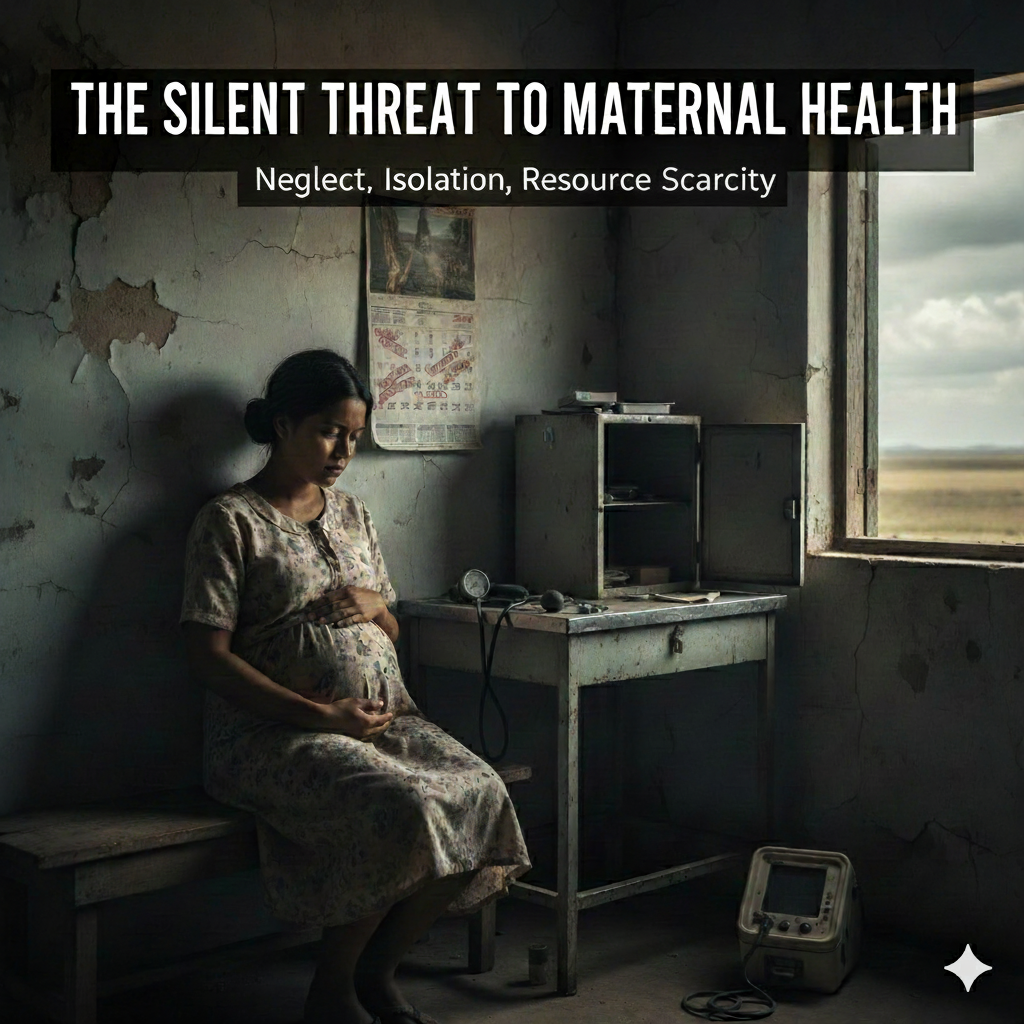
The Policy Paradox
Nigeria continues to develop strong, well-crafted health policies aimed at reducing maternal mortality and improving overall health outcomes. However, policy effectiveness extends beyond design alone, as successful implementation is fundamentally dependent on the availability of skilled health workers. A review of key maternal health policies (including the Safe Motherhood Strategy, RMNCAEH+N initiatives, and the National Reproductive Health Policy) reveals a consistent and critical requirement: each policy relies on an adequately skilled health workforce for effective execution.
The Fatal ‘Japa’ Disconnect
Nigeria is currently facing one of its most significant health system challenges: the massive migration (“Japa”) of skilled health professionals.
This workforce drain has reached alarming levels, with ripple effects across the health sector, economy, and education. The consequence is severe as policies designed to save mothers and reduce maternal deaths simply cannot function when those trained to deliver them are abandoning the system.
The gap is not in policy creation—Nigeria has many well-thought-out frameworks. The gap is in policy execution, and execution depends heavily on a stable, well-motivated health workforce. If the migration of skilled personnel remains unaddressed, current and future maternal health policies will continue to fail at the point of implementation, rendering them nothing more than paper tigers.
Retention: The New Core Policy
A strategic shift is needed. Our core insight is this: Addressing health worker migration is not separate from maternal health improvement – it is central to it.
Instead of focusing primarily on generating new policies that will inevitably demand more personnel, Nigeria must prioritize retaining the skilled workers necessary to deliver existing interventions. Retention must be the foundational policy anchor.
The Pathway: Fund the Fix – Intelligently
The underlying “push factor” is chronic underinvestment, evidenced by Nigeria allocating less than the 15% recommended by the African Union (Abuja Declaration).
While increasing the budget is necessary, it is not enough. More money does not automatically translate to better outcomes when issues like mismanagement and lack of transparency exist. Therefore, funding must be protected and strategic.
The national health agenda must commit to:
- Protected & Transparent Financing: Ring-fencing funds (especially for maternal care), implementing clear expenditure tracking, and enforcing public reporting and community accountability to prevent diversion.
- Targeted Retention Incentives: Moving beyond bulk funding to direct benefits for workers, such as rural posting allowances, hazard pay, competitive salaries, and subsidized professional training.
- Safe & Supportive Conditions: Ensuring functional equipment, adequate staffing, mental health support, and fair workload distribution to make health workers feel valued and secure.
- Strengthening Human Resource Governance: Establishing a coordinated system for balanced distribution, clear career pathways, and structured retention strategies at all government levels.
This month’s exploration revealed that Nigeria’s maternal health policies are not failing because they are poorly designed – they are failing because the human workforce required to bring them to life is shrinking. To accelerate progress, Nigeria must couple health worker retention with protected, accountable health financing at the center of its national agenda.