
Written By: Fatima Alhassan
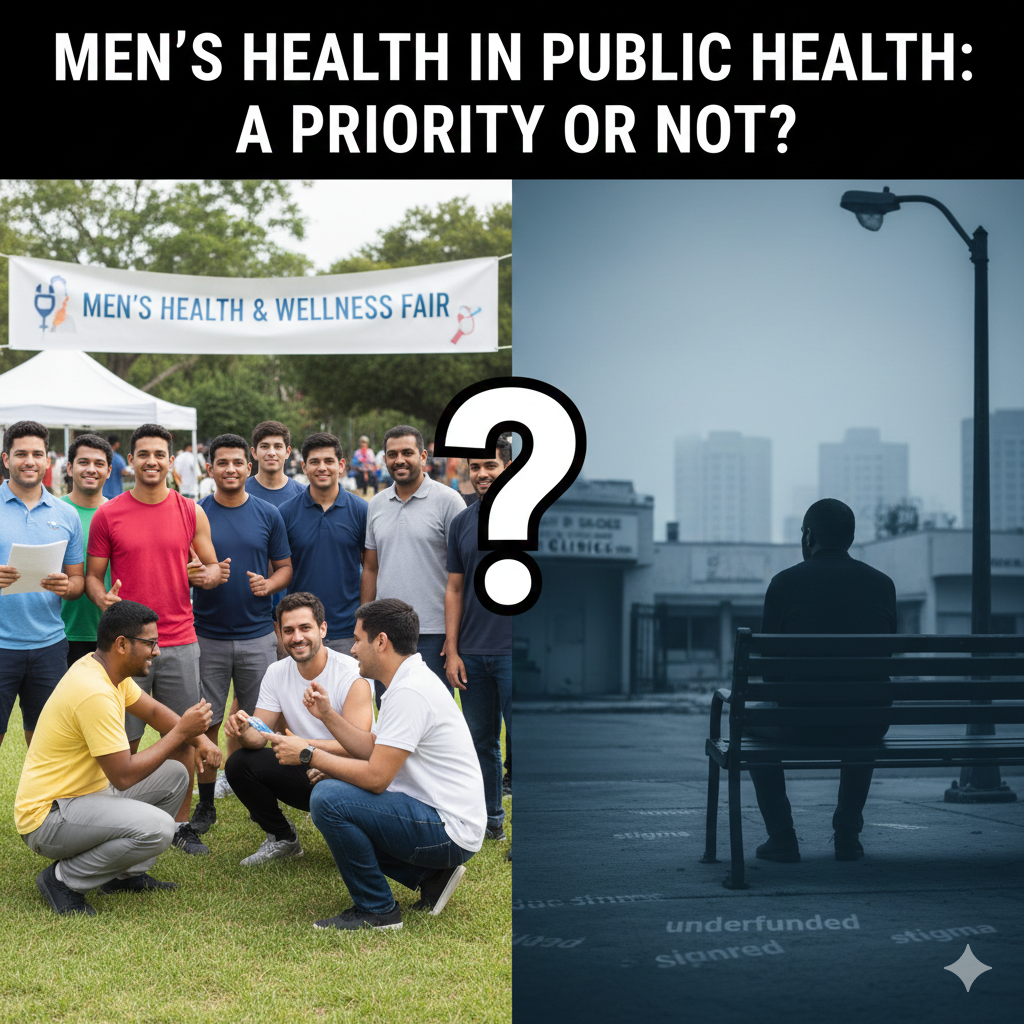
The traditional view of men as “pillars” of society, strong, capable and able to withstand all manner of physical and emotional abuse is based on a cultural idea of what it means to be “masculine.” In the place where I grew up, it was common to hear that “real men don’t cry,” “men should never show weakness,” and “if a man says he’s hurt, he’s lying.” These statements were considered both admirable and masculine.
However, as I continue to grow into a young health professional, I am seeing the unintended costs of that pride and to be honest, it is far greater than I thought. Although men are expected to be the strong ones, many are quietly suffering. Hypertension, strokes, stress-related disorders, drug/alcohol use and prostate issues. None of these illnesses arrive with fanfare. Instead, they creep up over time and most of the time do not become apparent until the illness is severe enough to require medical intervention. And while there are many men who have suffered and died because they did not want to acknowledge their illness, there are also countless men who dismiss or trivialize their symptoms (such as headaches as merely a product of stress, chest pain as nothing more than fatigue) and continue to push themselves to the point of nearly fatal collapse.
Despite the prevalence of men dying prematurely due to undiagnosed and untreated illness, we are still consistently surprised when a seemingly healthy man collapses one day and does not rise again. Men get sick, men feel pain, men break down, they just do not discuss it.
During a recent health outreach program, I had a conversation with a man from my community who stated, “Sister, Man no dey sick oo, na only when our body don too much heavy na im we dey go hospital.” While we both laughed at the humorous nature of his response, the underlying truth was sad. The “I’m Fine” culture is killing men, families and relationships in homes. When a man falls apart, so does everyone else in the household including the children and the wife and the economic stability of the home is compromised.
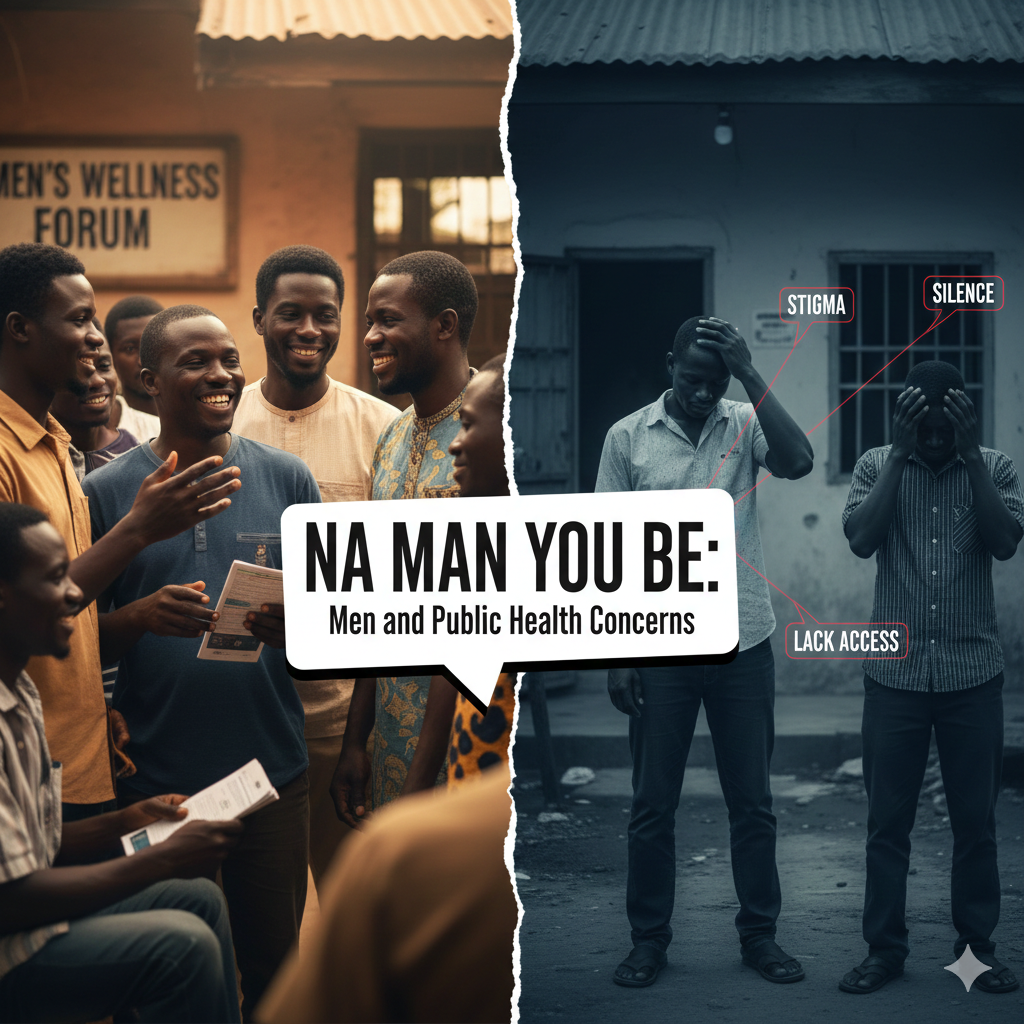
While the world is much more focused on discussing women’s health, which is deserving of discussion, men are quietly disappearing from the health picture. This is not because men are less valuable or less worthy of consideration, but rather because society has led them to be quiet about their needs. IImagine a world where: Men regularly schedule blood pressure checks, in the same way they track sports teams’ statistics, Husbands accompany their wives to prenatal appointments without feeling emasculated, Boys grow up understanding that taking care of their health indicates wisdom, not weakness, Men can express that they are overwhelmed and receive support. Such a world is possible, and to be honest, it is necessary right now.
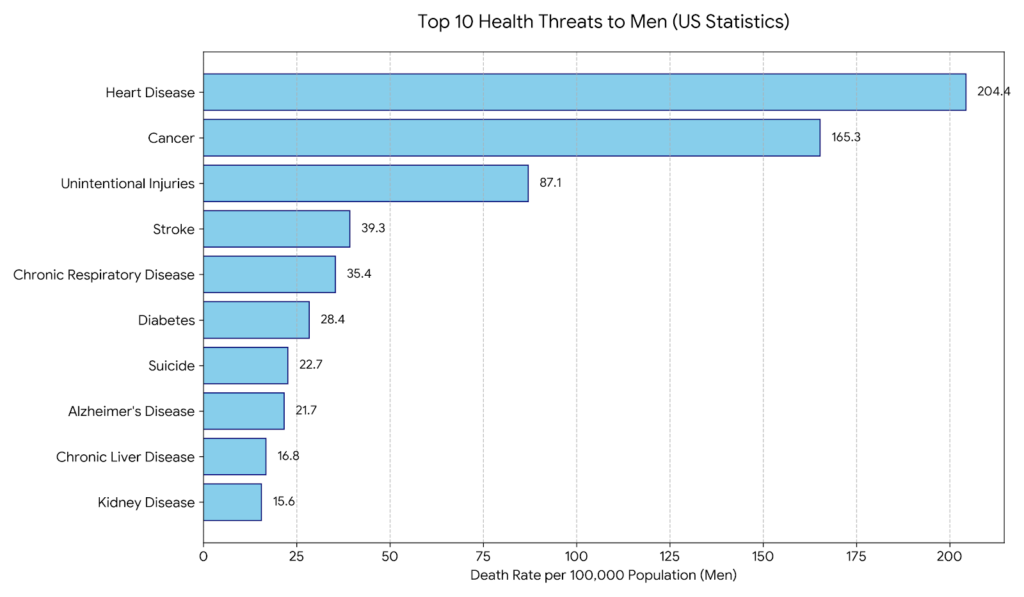
Prostate cancer is one of the top five deadliest types of cancer affecting males globally, Hypertension is known as the “silent killer” for a reason. Many men hide their depression behind a smile, behind their work or even behind anger. However, despite the fact that many men believe that visiting a hospital is an activity reserved for women and children, we cannot afford to lose another father, brother, uncle or friend to illnesses that could have been prevented if only men’s health was normalized through regular check-ups, open dialogue and support.
Men deserve health spaces, safe spaces where they can learn, inquire without fear of embarrassment and monitor their vital signs without someone saying, “No be man you be?”
As a young health leader, I firmly believe that this is the perfect opportunity for us to change the paradigm and remind men that strength is not in silence, strength is in recognizing when to seek assistance, strength is in choosing life, strength is in living. I choose to advocate for men, those men who are weary of rest, those men who need to be heard, and those men who need to be reminded that prioritizing their own health does not diminish their masculinity. If you are reading this, please encourage a man today to check his blood pressure, tell him to talk about how he is doing emotionally and make men going to health screenings a normal part of life.Yes, men are powerful, Yes, men are strong. Even the strongest walls crack under constant pressure.
Let’s think differently about men’s health. Let’s take the shame out of asking for help. Let’s create a culture where men not only survive, they thrive.