
Written By: Sarah Olaniyi
My undergraduate research has led me to dive into waters I never thought I would when I started, one of which is the issue of medication unavailability. I discovered that a recurring complaint within my study population was medication unavailability. This finding raised important questions with the potential to inform long-lasting solutions to this setback. Identifying problems is not an end in itself; rather, it spurs critical thinking and an intelligent approach to meaningful interventions.
Medication shortage is a pressing concern throughout the world. In a systematic review carried out by Lachlan et al., (2025) on the prices, availability, and affordability of adult medicines in 54 low- and middle-income countries, it was found that neither the public nor the private health sector in any World Health Organisation (WHO) region met WHO’s recommended 80% availability for affordable and essential medicines. This issue cannot be swept under the carpet because if the medications made for the treatment, management, and prevention of disease are not available, what then becomes the fate of the people the medications were designed to serve?
Nigeria, for example, relies on imports as only 25% of the pharmaceutical products needed by Nigerians are produced locally, and a report by the National Bureau of Statistics (NBS) in 2023 stated that only 34.3% and 50.6% of drugs are found at primary health care centers and secondary health facilities, respectively.
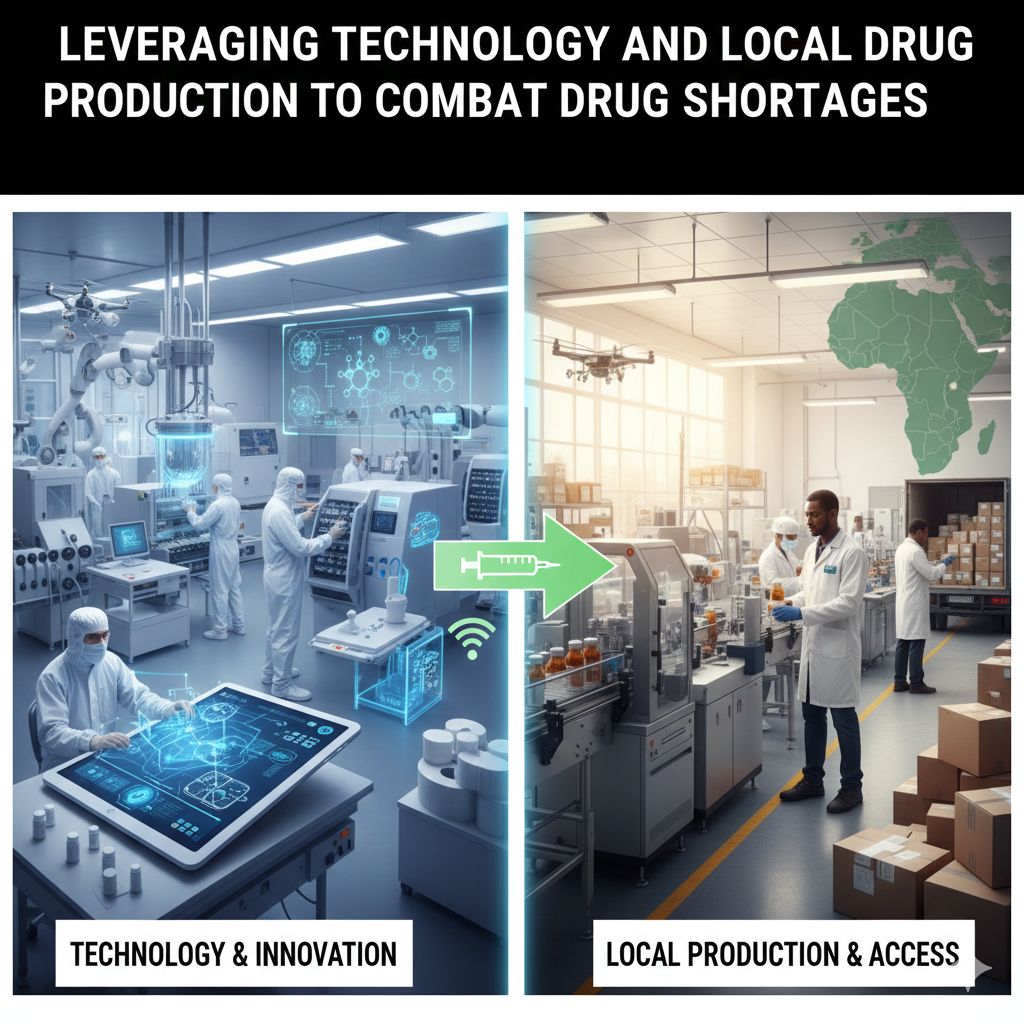
What then can be done? While the issue of medication unavailability seems to only be a healthcare sector issue to many, I would love to think of it as an issue primarily resident in the healthcare sector; however, various sectors are contributors in varying quotas to the debilitating situation. So, in addressing this situation, can the availability of medications be made more predictable, especially with the advent of technology? Traditional systems often rely on gut feelings, experience-driven decisions, or last year’s sales. AI models, for example, can help to analyse much larger datasets to predict exactly how much medication will be needed, aiding data-driven decisions.
How about we have a medication supply chain that is transparent to every stakeholder, like manufacturers, wholesalers, active pharmaceutical ingredients (API) suppliers, logistics companies, where every stakeholder can track the movement of medications in real time, through the advent of technology, to aid proper planning?
How about we have structures and policies in place that can facilitate the local production of at least 70% of essential medications to reduce reliance on the importation of medications? How about we have more public-private partnerships to enhance local medication production?