
Written by – Isreal Obioma
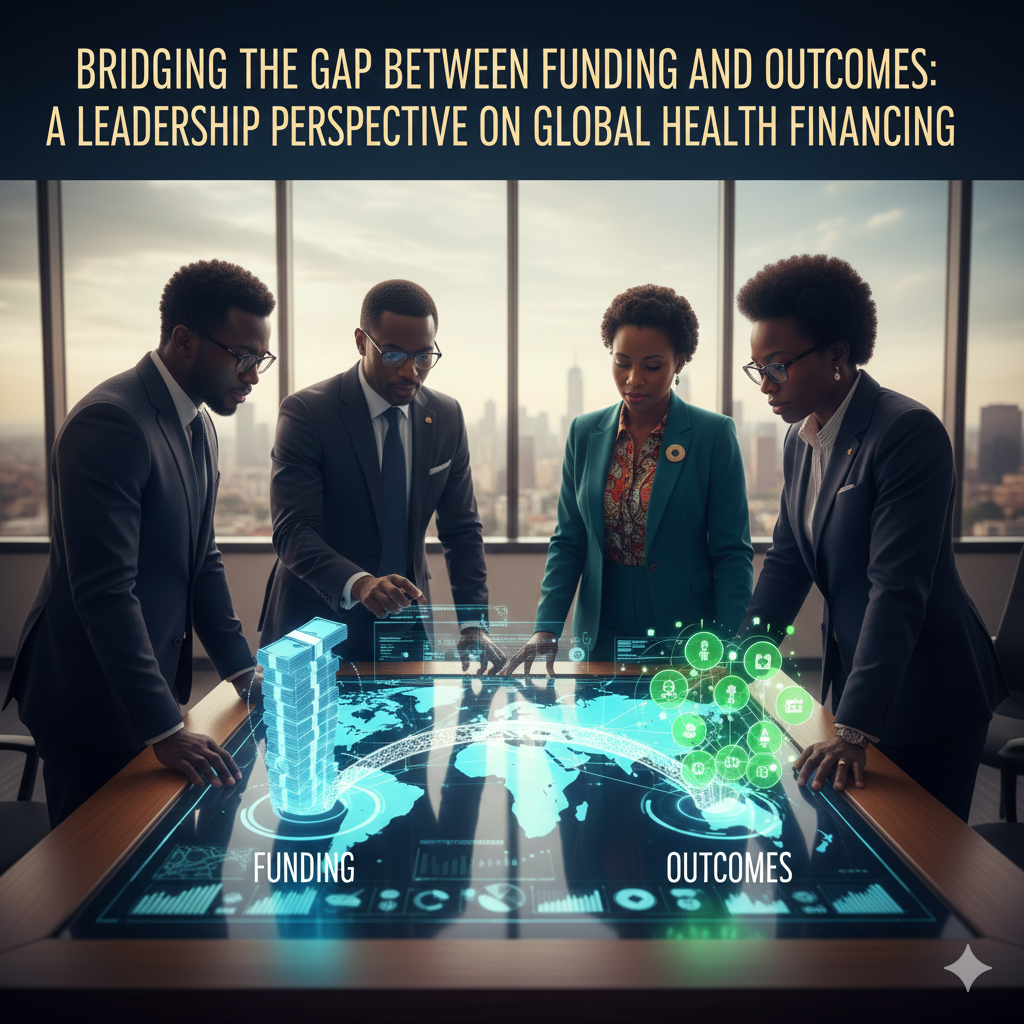
Globally, billions of dollars flow into health programs every year, yet millions of lives are still lost to conditions we already know how to prevent. It has become clear to me that the challenge isn’t always about the amount of money available. The real issue is how these resources are directed, managed, and translated into meaningful outcomes. Leadership decides whether funding reaches the people who genuinely need it or whether it disappears into bureaucracy, inefficiency, and misplaced priorities. I learned this in a very personal way at a youth outreach clinic.
I remember walking into the clinic with excitement, the sort of hopeful energy young people carry when they expect support. But that excitement faded quickly. We received counseling on sexual health, yet the essential resource that draws many adolescents to the clinic, contraceptives, had been out of stock for months. Here was a facility meant to empower adolescents, fully staffed with funding on paper, yet it was missing one of the basic commodities that could change lives, a potential life-saving commodity. That experience taught me a lesson I have never forgotten: money is not the same as impact.
And this isn’t a local problem; it affects even at the global level. Despite the substantial investments in global health, many systems continue to struggle to translate funding into tangible, real-world change. The COVID-19 pandemic exposed this painfully: wealthy countries secured vaccines early, while under-resourced nations waited in uncertainty. The money existed. The missing ingredient was leadership; the kind that translates resources into equitable outcomes.
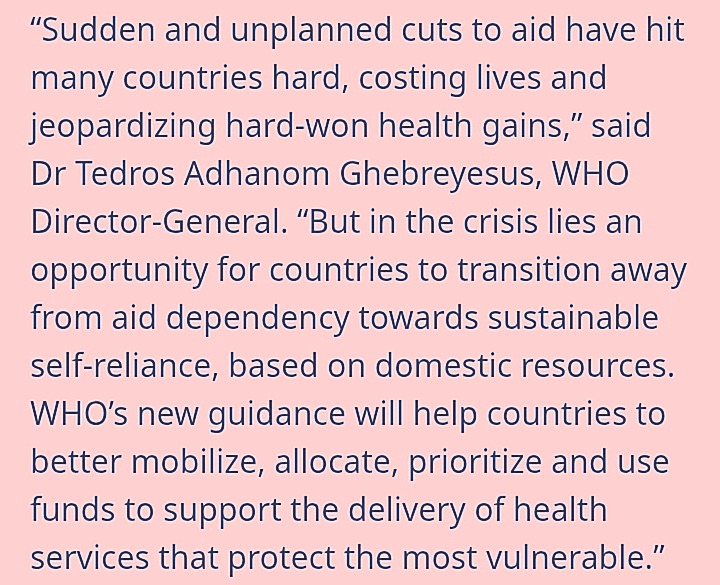
As Dr. Tedros Adhanom Ghebreyesus, Director-General of the World Health Organization, warned: “Global funding cuts… are putting more pregnant women at risk, especially in the most fragile settings.” His point resonates deeply. We are not only underfunding health; we are also misallocating the funding that exists.
Accountability vs. Equity: Leadership at the Crossroads
Good health financing requires more than large budgets. It demands purposeful leadership, a leadership that asks hard questions like: Who really benefits from this spending? Too often, programs chase high-visibility projects because they generate quick donor praise, not because they meet urgent community needs. This creates a dangerous distortion where marginalized groups, who should be the focus, are pushed aside by funding decisions driven more by optics than equity. The major reason why equity doesn’t happen by accident, rather, by deliberate prioritization.
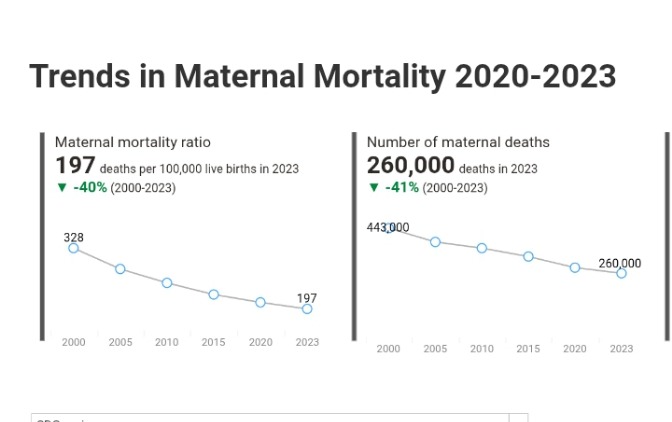
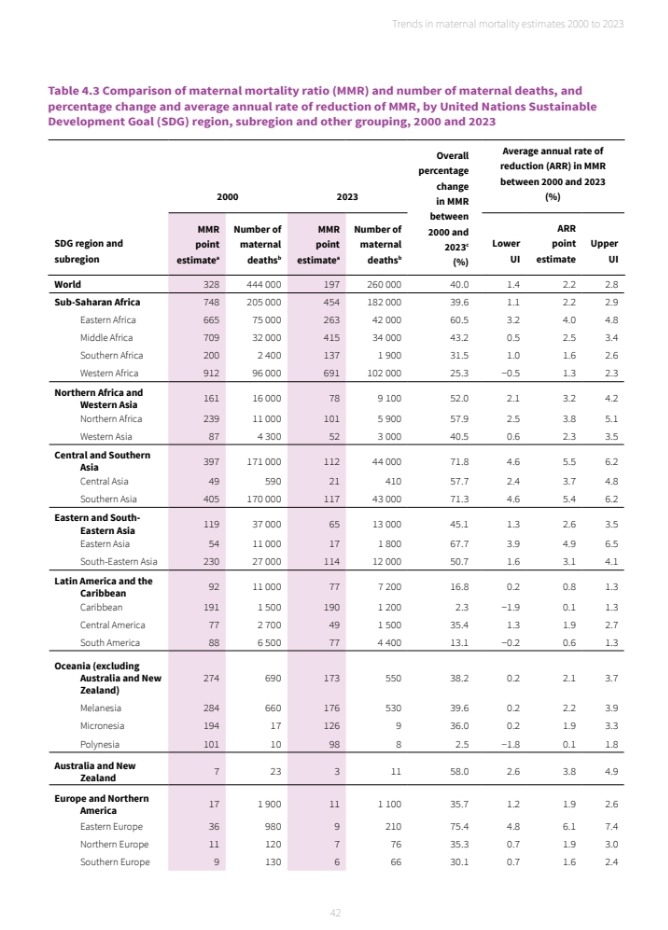
Looking at the stark contrast between countries. In some low-income settings, maternal mortality remains unacceptably high despite years of global aid. According to the WHO, global maternal deaths fell by 40% between 2000 and 2023, yet in 2023 alone, roughly 260,000 women died from pregnancy-related complications, that’s one death every two minutes. Sub-Saharan Africa bears the brunt, accounting for approximately 70% of those deaths in fragile and conflict-afflicted settings
Compare that to the Global Financing Facility (GFF), where long-term financing partnerships have produced measurable results. Over 90% of GFF partner countries have recorded reductions in maternal and under-five mortality. This clearly shows that creating impact is not just about money; it is about leaders who passionately commit to systems, not just individual projects.
Innovation Needs Direction, Not Just Dollars
Innovation in global health is exciting; performance-based financing, blockchain tracking, real-time dashboards, and more. These tools promise efficiency and accountability. Rwanda, for example, linking health worker payments to outcomes has boosted motivation and maternal death indicators. Gavi, the Vaccine Alliance, uses data dashboards to make sure funds aren’t just disbursed; rather, they are spent where they matter the most and at the right time.
But innovation without leadership is like a ship without a compass. As I once heard a global health strategist say, “You can pilot a rocket, but you still need to aim it.” That’s leadership for you. It’s not just enough to launch new tools, it still requires a leadership that must steer them toward equity, and not just efficiency. Taking mobile health interventions as an example. In some low-resource regions, simple SMS reminders to adolescent girls about health check-ups have led to higher clinic attendance. That is not a glamorous technological innovation, but with the right leadership and financing, it has translated into real lives saved and impact established.
Ethical Leadership: Listening, Reflecting, Acting
Money brings power, but power alone can still be blind. Ethical leadership demands humility. When funding priorities are shaped, who decides? Local communities? Government officials? Donors? Often, it’s an uneven mix, and good leadership demands that we listen first before we act.
During a discussion with a youth-friendly center personnel, I was informed about how community feedback had led them to reallocate their resources more appropriately. Instead of spending on flashy projects that look good on paper but deliver little to no impact, they invested in contraceptive supply and sexual health education. This shift didn’t just refill the empty shelves; it also built trust. One that signaled that young people were not just passive beneficiaries of these services, but were also seen as partners in development.
Ethical leadership also means confronting trade-offs. Investing in emergency responses is vital, but not at the expense of building resilient systems, which, without sustained investments, resets the clock on progress when any crisis arises.
A Global Warning – A Call to Action
Dr. Tedro’s warning on funding cuts is not theoretical. UN agencies caution that reductions in global aid could reverse years of gains in maternal and child health. Countries that had scaled up essential services risk scaling them back. Meanwhile, looming projections suggest that Official Development Assistance (ODA) for health could fall below 2020 levels, even as domestic health spending declines in many low and middle-income countries.
Yet other financing models still give reasons for hope. For example, in Nigeria, health impact bonds are being used to tie insurance reimbursements to outcomes like skilled deliveries and immunizations, creating accountability in the system. When funds are linked to results, leadership can guide them to where they matter the most.
So here is my challenge to current and emerging leaders: the tools exist, the partnerships exist, the knowledge exists. What we need is persistent, ethical, and courageous leadership that asks the uncomfortable questions: Are we financing people, or just programs? Are we building resilient systems or patching temporary holes? And when we eventually step aside, will the funds we directed still be building health systems, or simply sustaining the illusion of progress?
The next leap in global health is not simply about raising more money, although funding matters. It’s about raising the standard of leadership. A leadership that centers on equity, demands accountability, and refuses to settle for anything less than tangible, lasting change.
REFERENCES
Global Financing Facility. (2025, February 27). New Study: Innovative and Scalable Approach to Birth Care Saves More than 1,000 Newborns and Mothers’ Lives [Press release]. Retrieved from https://www.globalfinancingfacility.org/news/press-release/new-study-innovative-and-scalable-approach-birth-care-saves-more-1000-newborn
Global Financing Facility (GFF). (2024, March 4). Countries partnering with the GFF are reducing maternal mortality and under-five mortality [Press release]. Retrieved from https://www.globalfinancingfacility.org/news/press-release/countries-partnering-gff-are-reducing-maternal-mortality-and-under-five
Nigeria Health Watch. (2025, September 2). Closing Nigeria’s insurance gap for maternal and child health through health impact bonds. Retrieved from https://articles.nigeriahealthwatch.com/closing-nigerias-insurance-gap-for-maternal-and-child-through-health-impact-bonds
UNICEF. (2025, April 6). Aid cuts threaten fragile progress in ending maternal deaths, UN agencies warn [Press release]. Retrieved from https://www.unicef.org/press-releases/aid-cuts-threaten-fragile-progress-ending-maternal-deaths-un-agencies-warn
World Bank. (2024, September 26). World Bank approves new financing for Nigeria to improve health outcomes, safety of dams, and irrigation services [Press release]. Retrieved from https://www.worldbank.org/en/news/press-release/2024/09/26/world-bank-approves-new-financing-for-nigeria-to-improve-health-outcomes-safety-of-dams-and-irrigation-services
World Health Organization. (2025, April 7). Aid cuts threaten fragile progress in ending maternal deaths, UN agencies warn [News release]. Retrieved from https://www.who.int/news/item/07-04-2025-aid-cuts-threaten-fragile-progress-in-ending-maternal-deaths-un-agencies-warn
World Health Organization. (2025, November 3). WHO issues guidance to address drastic global health financing cuts [News release]. Retrieved from https://www.who.int/news/item/03-11-2025-who-issues-guidance-to-address-drastic-global-health-financing-cuts